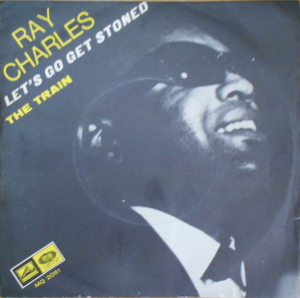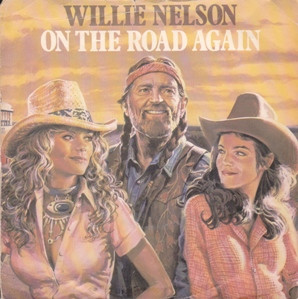
What stands out about Willie Nelson, especially in a playlist like this one, is how naturally he connects songs and audiences that do not usually live in the same lane. “Crazy” and “Night Life” point back to his early years as one of Nashville’s great songwriters. “Blue Eyes Crying in the Rain,” “On the Road Again,” and “Always On My Mind” show how fully he grew into stardom as a singer. Then the list keeps widening: pop standards like “Blue Skies” and “Moonlight in Vermont,” a gospel song like “Uncloudy Day,” a duet with Ray Charles on “Seven Spanish Angels,” a track with Snoop Dogg on “Roll Me Up,” and a Pearl Jam cover, “Just Breathe,” recorded with his son Lukas. On paper, that range looks unlikely. In practice, it feels completely coherent, which says a lot about the steadiness of Willie’s musical personality.
Part of that comes from the shape of his career. By the 1960s, Nelson was already well known in Nashville as a songwriter and recording artist. He wrote “Crazy,” which became Patsy Cline’s signature hit, and songs like “Night Life” showed how strong and distinctive his writing already was. He also had chart success of his own, but the polished Nashville system was never a perfect fit for his voice or his instincts. Around 1970, after moving back to Texas, he stepped into a different kind of scene, especially in Austin, where country crowds and younger rock audiences often overlapped. That change in setting helped turn him from a respected country figure into a much larger cultural presence. Albums and songs from the years that followed, including “Shotgun Willie,” “Bloody Mary Morning,” “Whiskey River,” and later “On the Road Again,” made him central to the outlaw movement while also expanding his audience far beyond traditional country radio.
What is especially appealing is that the outlaw image never boxed him in. Yes, this playlist has the swagger of “Me and Paul,” “Good Hearted Woman,” and “Mammas Don’t Let Your Babies Grow Up to Be Cowboys,” but it also has the gentleness of “Angel Flying Too Close to the Ground” and “Blue Eyes Crying in the Rain.” Even “My Heroes Have Always Been Cowboys” is less about posing than about longing and disappointment. Willie has always understood that country music works best when it makes room for toughness and vulnerability at the same time. That balance is one reason he has been so durable: listeners can come to him for a road song, a drinking song, a heartbreak song, or a meditation on aging, and he never sounds like he is trying on a costume.
That same openness explains why he has made sense to so many collaborators across generations and genres. His duets with Waylon Jennings and Merle Haggard feel like conversations between peers, rooted in shared history and mutual respect. “Seven Spanish Angels” with Ray Charles has the gravity of two masters meeting on common ground. “Beer for My Horses” showed that younger mainstream country stars still saw him as a living touchstone. He teamed up with Snoop Dogg (among others) on “Roll Me Up”; then three years after that covered Pearl Jam’s “Just Breathe,” and neither one of those tracks feels like a gimmick, or a cash grab, or an old man trying to stay cool. You never see the calculation with Willie. He does not care if you think he is cool. Willie has a gift for treating every song, whether it comes from country, pop, jazz, gospel, or rock, as something worth inhabiting honestly.
That may be the clearest reason Willie Nelson remains an icon after so many decades: he has never depended on one audience, one era, or one definition of authenticity. He is beloved by country traditionalists, outlaw-country fans, pop listeners, rock audiences, fellow songwriters, jazz admirers, and younger artists looking for a model of how to build a long life in music without becoming rigid. This playlist makes that case quietly but convincingly. It gives you the famous songs, the standards, the duets, the deep feeling, the wit, and the curiosity. More than anything, it shows an artist who has spent decades following good songs wherever they lead, and inviting an unusually wide range of listeners to come along.
Follow Tunes Du Jour on Facebook
Follow me on Bluesky
Follow me on Instagram