From folk protest to funk, punk rock to hip-hop, this eclectic Presidents’ Day playlist spans decades of American political commentary through the lens of popular music. Not every commander-in-chief makes an appearance—some presidencies inspired little musical response, while others (particularly Kennedy, Reagan, and George W. Bush) sparked entire catalogs of artistic reaction. The collection moves chronologically through the office holders, though the songs themselves range from contemporary responses to retrospective reflections, capturing how each president’s legacy resonated with musicians of different eras and genres. Whether celebratory, satirical, or scathing, these tracks remind us that popular music has always served as a vital form of political discourse, holding power accountable and giving voice to the frustrations, hopes, and criticisms of the American people.
James K. Polk – They Might Be Giants
An infectiously catchy history lesson that chronicles Polk’s ambitious single-term presidency and his campaign promises to expand American territory.
Abie Baby – Hair Original Cast
This number from the groundbreaking musical Hair celebrates Abraham Lincoln’s legacy of emancipation with psychedelic 1960s exuberance.
Louisiana 1927 – Randy Newman
Newman’s haunting ballad captures the devastating Mississippi River flood during Calvin Coolidge’s administration and the government’s inadequate response.
We’d Like To Thank You Herbert Hoover – Annie Original Broadway Cast
A Depression-era shantytown chorus sarcastically thanks Hoover for the economic catastrophe that left Americans destitute and homeless.
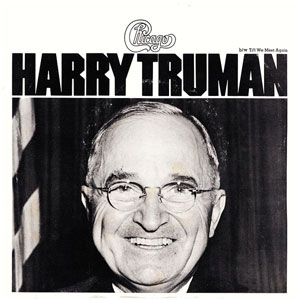
Harry Truman – Chicago
This gentle rock ballad uses Truman as a symbol of simpler times and American authenticity before the cynicism of later decades.
Eisenhower Blues – The Costello Show Feat. The Attractions & Confederates
Costello’s cheeky cover plays with 1950s nostalgia while questioning the era’s conformity and Cold War anxieties.
Murder Most Foul – Bob Dylan
Dylan’s seventeen-minute meditation on the Kennedy assassination weaves together American mythology, cultural memory, and the loss of innocence.
President Kennedy – Eddie Izzard
The British comedian takes on the misunderstanding that President Kennedy declared himself to be a doughnut.
The Day John Kennedy Died – Lou Reed
Reed’s stark, melancholic reflection places Kennedy’s death in the context of personal memory and national trauma.
Lyndon Johnson Told The Nation – Tom Paxton
Paxton’s folk protest song sardonically captures LBJ’s escalation of the Vietnam War and the duplicity of official statements.
You Haven’t Done Nothin’ – Stevie Wonder
Wonder’s funky, cutting critique of Nixon’s broken promises and political corruption became an anthem of Watergate-era disillusionment.
Impeach the President – Honey Drippers
This funk instrumental’s famous drum break refers to Nixon, though it’s become better known as one of hip-hop’s most sampled beats.
Funky President (People It’s Bad) – James Brown
The Godfather of Soul delivers hard-hitting social commentary on economic hardship during the Ford administration.
(We Don’t Need This) Fascist Groove Thang – Heaven 17
British synth-pop warriors take aim at Reagan’s cowboy diplomacy and the early 1980s conservative political climate.
Ronnie, Talk to Russia – Prince
Prince’s Cold War plea urges Reagan to pursue diplomacy and nuclear disarmament before it’s too late.
Bonzo Goes to Bitburg – Ramones
The punk legends blast Reagan’s controversial visit to a German cemetery containing SS graves, delivered with their signature three-chord fury.
Old Mother Reagan – Violent Femmes
The Femmes’ acoustic punk assault critiques Reagan’s policies with youthful anger and folk-punk energy.
Reagan – Killer Mike
The Atlanta rapper delivers a scathing indictment of Reagan’s policies on race, drugs, and economics decades after leaving office.
5 Minutes (B-B-B Bombing Mix) – Bonzo Goes To Washington
This mashup satirizes Reagan’s notorious hot-mic joke about bombing Russia by splicing it with dance beats.
If Reagan Played Disco – Minutemen
The iconoclastic punk band imagines an absurdist alternate reality with their typically angular, political edge.
Fuck You – Lily Allen
Allen’s chipper, profanity-laced dismissal of George W. Bush was initially posted on her MySpace page under the title “Guess Who Batman.”
When the President Talks to God – Bright Eyes
Conor Oberst’s devastating critique questions Bush’s certainty and religious justifications during the Iraq War.
Mosh – Eminem
Eminem’s urgent call to political action rallied young voters against Bush’s policies in the 2004 election.
Let’s Impeach the President – Neil Young
Young’s protest rocker methodically lists grievances against Bush with straightforward outrage and rock-and-roll directness.
I’m With Stupid – Pet Shop Boys
The synth-pop duo skewers Tony Blair’s subservience to Bush’s foreign policy agenda with biting British wit.
Dear Mr. President – P!nk featuring Indigo Girls
P!nk’s open letter challenges Bush to walk in others’ shoes and confront the human cost of his decisions.
Obama – ANOHNI
This haunting piece wrestles with disappointment in Obama’s continuation of drone warfare despite his hopeful campaign promises.
Fuck Donald Trump – YG & Nipsey Hussle
The West Coast rappers deliver an unfiltered denunciation of Trump’s rhetoric and policies with raw urgency.
The President Can’t Read – Amy Rigby
Rigby’s folk-rock takedown questions Trump’s competence and intellectual curiosity with pointed observations.
Streets of Minneapolis – Bruce Springsteen
The Boss’s response to the killings of American citizens by US Immigration and Customs Enforcement under directions from President Trump.
Follow Tunes Du Jour on Facebook
Follow me on Bluesky
Follow me on Instagram


