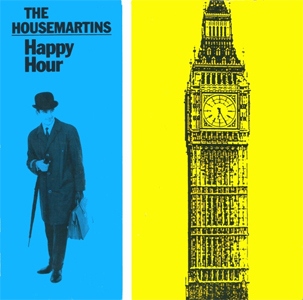
Today is World Bartender Day, and to celebrate, here are 30 alcohol-inspired tunes. I’ll drink to that!
Follow Tunes Du Jour on Facebook
Follow me on Bluesky
Follow me on Instagram

If you were to press play on a random selection of American pop hits from the 1960s and 70s, you’d have a surprisingly high chance of landing on a song written by Carole King. What’s more remarkable is that you might not even realize it. For many, her name is synonymous with the landmark 1971 album Tapestry, a defining work of the singer-songwriter era. But listening to a broader collection of her work reveals a fascinating story—not of one career, but of two distinct, equally influential chapters in music history.
The first chapter begins in the fast-paced world of New York’s Brill Building, where King, alongside her then-husband and lyricist Gerry Goffin, became a hit-making powerhouse for other artists. This wasn’t about personal expression; it was about craftsmanship. A quick look at the playlist shows the sheer range of their output. They penned the earnest plea of The Shirelles’ “Will You Love Me Tomorrow,” the youthful optimism of Bobby Vee’s “Take Good Care Of My Baby,” and the sophisticated yearning of The Drifters’ “Up on the Roof.” They could deliver dance crazes like Little Eva’s “The Loco-Motion” and even provide grittier material for bands like The Animals with “Don’t Bring Me Down,” proving their ability to adapt to nearly any voice or style.
But then, something shifted. As the 60s gave way to the 70s, the focus in popular music turned inward, favoring a more personal and authentic voice. This cultural change set the stage for King’s second career: stepping out from behind the curtain and into the spotlight. The playlist captures this transformation perfectly. Suddenly, we hear King’s own warm, unadorned voice on tracks like “It’s Too Late” and “So Far Away.” The songs, now with her own lyrics, feel more intimate and reflective. The production is stripped back, centering on her expressive piano playing, creating a direct connection with the listener that felt entirely new.
Perhaps nothing demonstrates the unique strength of her songwriting better than the way her compositions became signature anthems for other legends. Aretha Franklin’s definitive 1967 performance of “(You Make Me Feel Like) A Natural Woman” had already cemented the song as a timeless classic years before King would record her own version for Tapestry. Then, in the very same year her solo album became a phenomenon, James Taylor’s comforting rendition of “You’ve Got A Friend” became an equally iconic, chart-topping hit. It’s a rare artist who can not only define an era with their own voice but also provide the material for other great artists to do the same.
Exploring this collection of songs is like walking through a gallery where the same artist is responsible for both the grand, public murals and the quiet, personal portraits. From the effervescent pop of The Chiffons’ “One Fine Day” to the introspective mood of her own title track, “Tapestry,” the common thread is an undeniable gift for melody and a deep understanding of human feeling. Carole King wasn’t just a singer who wrote her own material; she was a foundational architect of pop music who, when the time was right, simply decided to build a home for herself.
Follow Tunes Du Jour on Facebook
Follow me on Bluesky
Follow me on Instagram
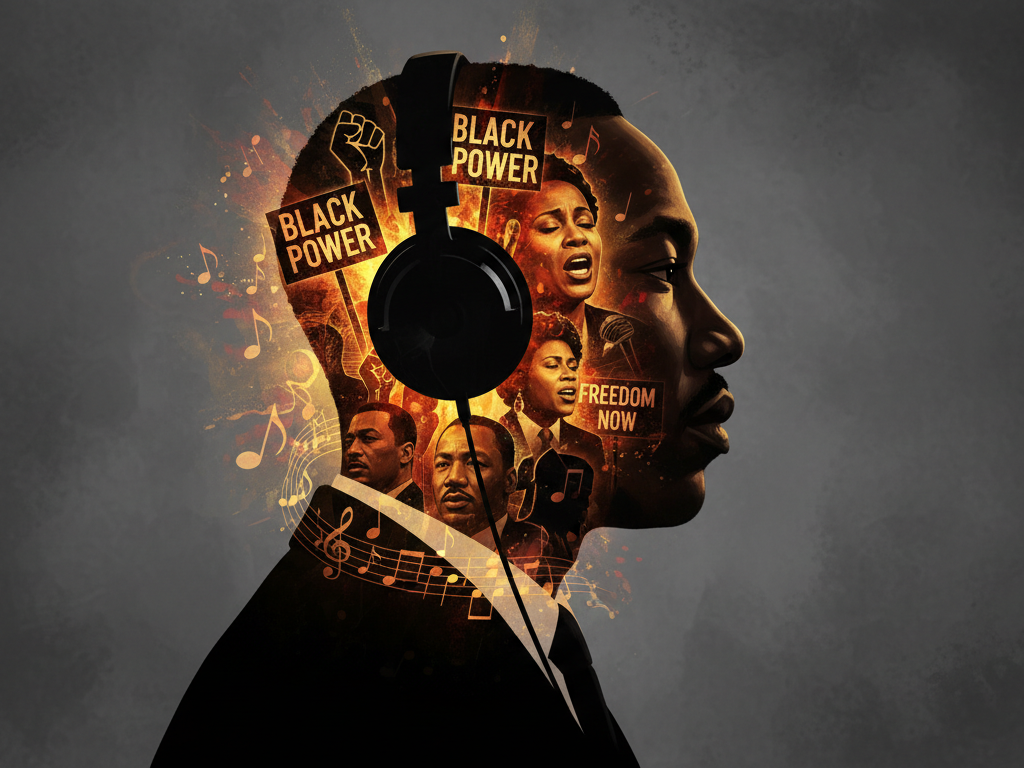
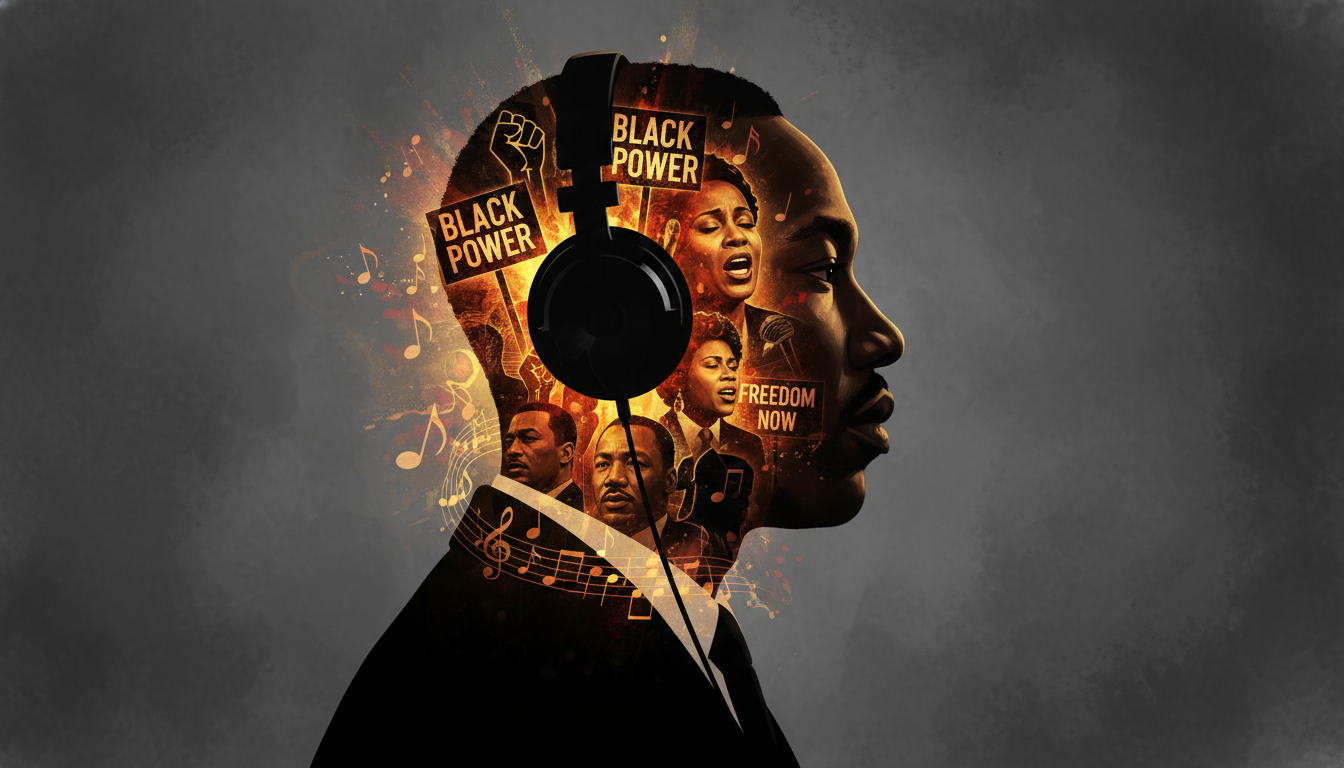
Music has always been more than just a backdrop to history; it is a living, breathing part of it. It’s the coded message in a spiritual, the roar of protest in a soul anthem, and the unshakeable pride in a hip-hop verse. This playlist was curated with that spirit in mind. It is not just a collection of songs by Black artists or about Black experiences, but a deliberate sonic journey where each track serves as a chapter in the long, complex, and powerful story of Black history. From the harrowing journey of the Middle Passage in The O’Jays’ “Ship Ahoy” to the defiant celebration of identity in Beyoncé’s “BROWN SKIN GIRL,” every song here is a direct link to a person, an event, a movement, or some combination of the three.
The running order is intentional, designed to guide the listener through a powerful emotional and historical arc. We begin in the depths of oppression, bearing witness to the brutality of slavery, the terror of Jim Crow, and the pain of foundational betrayals. From that bitter root, the playlist pivots to the fire of resistance. It chronicles the fight for Civil Rights in America and the parallel global struggle against apartheid, honoring the heroes who led the charge and the anthems that fueled their movements. The narrative then moves into the modern era, where the fight for justice continues in the face of new challenges, chronicled with unflinching honesty by artists from Bruce Springsteen to Janelle Monáe.
This journey through pain and protest ultimately leads to a place of empowerment, joy, and hard-won hope. The final act of the playlist is a celebration of contribution, a lesson in self-love for future generations, and a recognition of monumental triumphs. It culminates in the profound resilience of Aretha Franklin’s “A Change Is Gonna Come”—a final, stirring testament to an unshakeable faith in the future. This Black History Month, we invite you to not just hear these songs, but to truly listen. Follow the stories, look up the names, and feel the weight and glory of the history they carry. Let the rhythms move you, but let the histories change you.
Follow Tunes Du Jour on Facebook
Follow me on Bluesky
Follow me on Instagram

Per HolidayInsights.com, today is Compliment Day, created in 1998 by Kathy Chamberlin, of Hopkinton, NH, and Debby Hoffman, of Concord, NH. Offer compliments to people you know and meet. If you need help thinking of some, today’s playlist has you covered:
Follow Tunes Du Jour on Facebook
Follow me on Bluesky
Follow me on Instagram


If you were to press play on the career of Eurythmics, you’d most likely start with “Sweet Dreams (Are Made Of This).” It’s the song that made them global stars—an undeniable classic built on a stark synthesizer riff and Annie Lennox’s commanding, soulful vocals. But as a journey through their work reveals, that iconic hit is just one stop on a much more interesting and varied musical map. The creative engine of Eurythmics was the partnership between Lennox and Dave Stewart, a duo whose collaboration was defined by constant evolution, emotional complexity, and a refusal to be confined to a single sound.
From their initial breakthrough, Eurythmics demonstrated a remarkable sonic range. The synth-pop of tracks like “Sweet Dreams” and “Love Is a Stranger” established their early ’80s identity, blending electronic precision with a sense of psychological intrigue. But they were quick to move beyond that mold. Soon, the duo was infusing their music with American R&B and soul, resulting in the brass-fueled declaration of “Would I Lie To You?” and the driving rock of “Missionary Man.” At the same time, they could create lush, string-laden ballads like “Here Comes the Rain Again,” proving that their electronic roots could coexist with grand, orchestral arrangements.
Beneath the polished production, the songs often explored the more complicated aspects of relationships and society. While they could deliver a pure shot of joy like “There Must Be an Angel (Playing with My Heart),” they were equally adept at dissecting paranoia in “Who’s That Girl?” or the bitter end of a love affair in “Thorn in My Side.” This willingness to look at the darker corners is what gives their music its lasting weight. They could craft a powerful feminist anthem with Aretha Franklin one moment (“Sisters Are Doin’ It for Themselves”) and then create a stark, unsettling piece like “Sexcrime (Nineteen Eighty Four)” for a film soundtrack the next.
The provided playlist also wisely includes a look at their individual paths, which helps illuminate what made the duo’s chemistry so effective. Annie Lennox’s solo career, with hits like the introspective “Why” and the baroque pop of “Walking on Broken Glass,” showcased her incredible power as a vocalist and songwriter in a more personal context. Meanwhile, Dave Stewart’s instrumental hit “Lily Was Here” highlights his strengths as a producer and composer, crafting a distinct mood and melody without Lennox’s voice at the center. These solo ventures weren’t a departure, but rather an extension of the individual talents that made Eurythmics so compelling.
Ultimately, listening to this collection of songs reveals a creative partnership that was always in motion. From the experimental art-pop of “Beethoven (I Love to Listen To)” to the mature reflection of their reunion track “I Saved The World Today,” Eurythmics consistently challenged expectations. They moved seamlessly between genres, moods, and themes, all held together by Stewart’s inventive arrangements and Lennox’s unforgettable voice. They left behind a body of work that is as intelligent and artistically curious as it is full of enduring hits.
Follow Tunes Du Jour on Facebook
Follow me on Bluesky
Follow me on Instagram
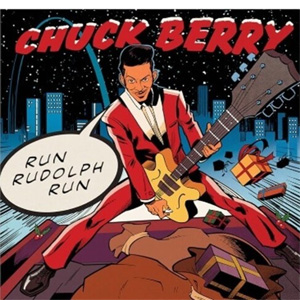
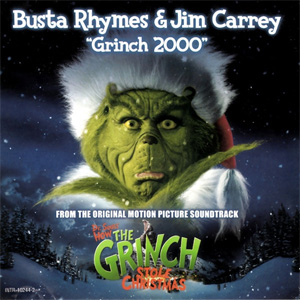
Today I’m celebrating World Dream Day, which, per its official website, “serves as a powerful reminder of the potential within each person to contribute positively to the world by advancing their personal and collective aspirations.”
Follow Tunes Du Jour on Facebook
Follow me on Bluesky
Follow me on Instagram
One of the best ways to understand a song’s true strength is to hear it played by someone else. When a song can be lifted from its original context, performed by a different artist in a new style, and still resonate, you know the writers built it on a solid foundation. Looking at the sheer breadth of artists who have successfully interpreted the songs of Mick Jagger and Keith Richards, it becomes clear that their songwriting partnership created something remarkably durable. While their own recordings as The Rolling Stones are iconic, it’s the cover versions that reveal the fundamental power of the compositions themselves.
The playlist immediately highlights how deeply their writing is rooted in the American soul and R&B they revered. It’s one thing to be influenced by a genre; it’s another to write songs that the masters of that genre can inhabit as their own. When you hear Aretha Franklin transform “Jumpin’ Jack Flash” into a gospel-fueled force of nature, or Ike & Tina Turner inject “Honky Tonk Women” with their signature high-octane energy, you realize the songs contain an authentic rhythmic and emotional core. This goes even deeper with Solomon Burke’s take on “I Got the Blues” or Bettye LaVette’s searing, world-weary version of “Salt of the Earth.” These aren’t just covers; they are reclamations, demonstrating that the blueprints Jagger and Richards created were so solid that they could hold the weight of the most powerful voices in soul music.
What’s also remarkable is the structural flexibility of their work. A great Jagger/Richards song often has a distinct personality, yet its core components—melody, lyrical theme, and chordal movement—are adaptable enough to thrive in entirely new environments. The post-punk angularity of Devo’s “(I Can’t Get No) Satisfaction” strips away the blues swagger to expose the lyric’s timeless complaint of modern alienation. The Sundays reimagine the country-tinged “Wild Horses” as a piece of shimmering, ethereal dream pop, proving the song’s beautiful melody is its true anchor. Even more extreme, the Ramones boil “Out of Time” down to its raw essentials, recasting the shuffling pop song as a driving, three-chord punk declaration, while Ituana finds a relaxed, bossa nova groove in the epic “You Can’t Always Get What You Want.” The songs don’t just survive these transformations; they reveal different facets of their character.
Ultimately, this collection of performances underscores that the Jagger/Richards catalog is more than a collection of iconic riffs and rock and roll attitude. These are fundamentally well-crafted songs. They can be country laments in the hands of Johnny Cash (“No Expectations”) or Steve Earle (“Dead Flowers”). They can be theatrical pop statements for David Bowie (“Let’s Spend The Night Together”) or Bryan Ferry (“Sympathy for the Devil”). They can even be played for laughs by “Weird Al” and The Folksmen precisely because the source material is so instantly recognizable. The Rolling Stones’ versions will always be definitive, but these interpretations from other artists give us a clearer view of the writers’ craft, proving the songs stand on their own, ready for anyone to find a piece of their own story within them.
Follow Tunes Du Jour on Facebook
Follow me on Bluesky
Follow me on Instagram