
I’m celebrating National Smile Week. To soundtrack my festivities, a playlist of 30 songs with the word “smile” or a variation thereof in the title:
Follow Tunes Du Jour on Facebook
Follow me on Bluesky
Follow me on Instagram
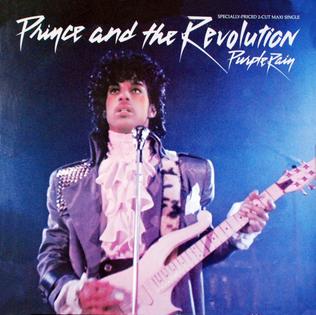
It’s hard to overstate how culturally dominant pop music was in 1984—or how much the year reshaped the landscape. Many of the songs on this playlist weren’t just hits; they were defining moments, launching or solidifying the careers of artists whose names still carry weight today. The sheer number of songs from 1984 that are still instantly recognizable points to a moment when creativity, commerce, and cultural change aligned. The presence of “Thriller”—Michael Jackson’s seventh single from the album of the same name—reminds us that the music business had never seen anything quite like this before. And yet, he wasn’t the only artist making history.
Prince’s “Purple Rain” marked not just a commercial breakthrough, but a creative one. It’s a song, an album, and a film—each enhancing the other’s mythology. Similarly, “Like a Virgin” signaled Madonna’s arrival as more than a pop star; she became a cultural force. Tina Turner, with “What’s Love Got to Do with It,” pulled off one of the most celebrated comebacks in music history. And Cyndi Lauper’s “Girls Just Want to Have Fun” brought an infectious blend of new wave and punky playfulness to the mainstream, reshaping ideas about femininity and pop performance.
Meanwhile, the rock world was hardly on pause. “Jump” became Van Halen’s biggest hit, thanks to its synth hook and anthemic chorus, while Bruce Springsteen’s “Dancing in the Dark” pushed his career into stadium territory. Across the Atlantic, U2’s “Pride (In the Name of Love)” began their transformation from college radio favorites to global headliners. The Replacements’ “I Will Dare,” from Let It Be, captured the heart of American indie rock—irreverent, emotionally raw, and just tuneful enough to hint at wider possibilities. And among the post-punk and alternative set, songs like “The Killing Moon” by Echo & the Bunnymen and “Heaven Knows I’m Miserable Now” by The Smiths gave moody introspection a lasting soundtrack.
What also stands out in 1984 is the range of genres that made a mainstream impact. Shannon’s “Let the Music Play” helped lay groundwork for freestyle, and Chaka Khan’s “I Feel for You” was a pivotal crossover moment, bringing together R&B, pop, and hip-hop. Run-D.M.C.’s “Rock Box” did something similar, blending rap and rock before it was fashionable. The Pointer Sisters’ “Automatic” was one of several hits that proved they could thrive in an electronic pop era without losing their vocal identity. Even novelty songs like “Ghostbusters” or the cheerful “Wake Me Up Before You Go-Go” helped shape the sound of the time.
Beyond chart success, 1984’s songs carried messages—sometimes playful, sometimes political. “Free Nelson Mandela” by The Special A.K.A. was a global anthem of protest. Depeche Mode’s “Blasphemous Rumours” examined faith and fate with a dark electronic edge. And “Somebody’s Watching Me,” a paranoid slice of synth-pop, foreshadowed a media culture on the verge of explosion. Whether on the dancefloor, in dorm rooms, or through the television set, 1984’s music didn’t just reflect its era—it helped define it.
Follow Tunes Du Jour on Facebook
Follow me on Bluesky
Follow me on Instagram
Happy Sisters Day! There’s a unique, almost telepathic bond between sisters, and nowhere is that connection more audible than in music. When sisters sing together, they create a blend that often is simply magical—a harmony that’s been practiced over a lifetime.
In celebration of this incredible bond, I’ve curated a playlist of songs from groups that feature at least one pair of sisters. From the tough-girl cool of the ’60s girl groups to ’80s rock goddesses, ’90s pop sensations, and modern indie darlings, this playlist is a testament to the power of sisterhood in harmony. So grab your sister (or your chosen sister!), turn up the volume, and let’s dive in.
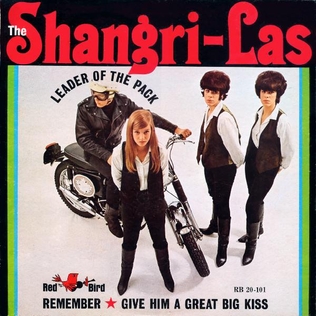
Leader of the Pack – The Shangri-Las
The Sisters: Mary and Elizabeth “Betty” Weiss were the heart of this legendary girl group, alongside the identical twins Marge and Mary Ann Ganser. With their dramatic, soap-opera-in-a-song storytelling and a “tougher than the boys” attitude, the Shangri-Las stood out. “Leader of the Pack” is their definitive mini-masterpiece of teenage tragedy.
Emmylou – First Aid Kit
The Sisters: Swedish folk duo Klara and Johanna Söderberg are revered for their breathtaking, otherworldly harmonies. On “Emmylou,” they pay beautiful tribute to their country music heroes (Emmylou Harris, Gram Parsons, June Carter, and Johnny Cash), creating a modern folk classic that feels utterly timeless.
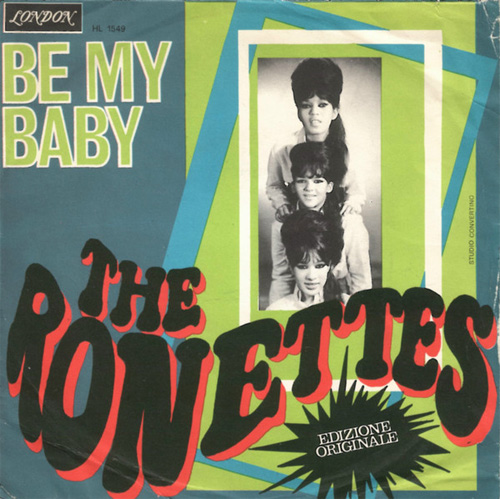
Be My Baby – The Ronettes
The Sisters: The iconic lead vocals of Veronica “Ronnie” Bennett (later Spector) were backed by the harmonies of her older sister, Estelle Bennett, and their cousin Nedra Talley. This song, with its legendary drum intro and Phil Spector’s Wall of Sound production, is pure pop perfection and a benchmark for the girl group era.
C’est la Vie – B*Witched
The Sisters: This infectiously cheerful Irish pop group featured identical twin sisters Edele and Keavy Lynch (whose brother, Shane, was in the boy band Boyzone). “C’est la Vie,” with its jig-dancing, double-denim aesthetic, and suggestive lyrics, is a pure shot of late-’90s bubblegum pop nostalgia.
We Are Family – Sister Sledge
The Sisters: It’s right there in the name! Debbie, Joni, Kim, and Kathy Sledge are the four sisters who became a global phenomenon with this timeless anthem. Written and produced by Nile Rodgers and Bernard Edwards of Chic, the song wasn’t just a disco smash; it became a universal hymn for families, teams, and communities everywhere.
Move Ya Body – Nina Sky
The Sisters: Identical twin sisters Nicole and Natalie Albino make up the duo Nina Sky. This dancehall-infused debut single was a massive summer smash in 2004, and its infectious “Diwali Riddim” beat still fills dancefloors today.
Walk Like an Egyptian – Bangles
The Sisters: Vicki and Debbi Peterson (guitar and drums, respectively) were the sibling core of the Bangles. While Susanna Hoffs often took the lead, the Petersons’ rock-solid rhythm and harmonies were essential to the band’s sound. This quirky, chart-topping hit became one of the most memorable songs of the ’80s.
Closer – Tegan And Sara
The Sisters: Canadian identical twin sisters Tegan and Sara Quin have been indie-rock mainstays for years. “Closer” marked their brilliant pivot into synth-pop, a shimmering, exhilarating track about the thrill of a crush before a relationship even begins. It’s a masterclass in pop songwriting.
I’ll Take You There – The Staple Singers
The Sisters: Gospel and soul royalty, The Staple Singers were a true family affair led by patriarch “Pops” Staples. His daughters Mavis, Cleotha, and Yvonne Staples provided the heavenly, soul-stirring harmonies. This song, with its iconic bassline borrowed from a reggae track, is a blissful invitation to a better place.
I Love How You Love Me – The Paris Sisters
The Sisters: Albeth, Sherrell, and Priscilla Paris were known for their incredibly tight, close-miked, whispery harmonies. Produced by Phil Spector before his Wall of Sound days, this dreamy, delicate ballad perfectly captures the sweet innocence of young love.
Best of My Love – The Emotions
The Sisters: Wanda, Sheila, and Pamela Hutchinson are the Chicago-born sisters behind The Emotions. This joyous, soaring disco-soul classic was co-written and produced by Earth, Wind & Fire’s Maurice White, and it showcases their absolutely flawless, exuberant harmonies. It’s impossible not to smile while listening.
Hippychick – Soho
The Sisters: This one-hit wonder from 1990 was fronted by twin sisters Jacqueline “Jacqui” and Pauline Cuff. The song’s laid-back groove is built around a genius sample of The Smiths’ “How Soon Is Now?,” creating a track that’s instantly recognizable and quintessentially of its era.
Never Ever – All Saints
The Sisters: The ’90s British girl group All Saints, known for their cooler, more casual style, included sisters Natalie and Nicole Appleton. “Never Ever” was their biggest hit, a soulful, melancholic R&B ballad that became one of the best-selling singles by a girl group in the UK.
Nothing But A Heartache – The Flirtations
The Sisters: Though their lineup shifted, this American vocal group (who found fame in the UK) was founded by sisters Shirley and Pearly Pearce. “Nothing But a Heartache” is a prime cut of Northern Soul—up-tempo, dramatic, and deeply soulful, it’s a crate-digger’s treasure.
The Sign – Ace Of Base
The Sisters: This Swedish pop group that dominated the airwaves in the ’90s was fronted by sisters Jenny and Linn Berggren. Their distinct voices—Jenny’s powerful and clear, Linn’s ethereal and soft—were the perfect vehicle for this insanely catchy reggae-pop confection that took over the world.
Popsicles and Icicles – The Murmaids
The Sisters: Sisters Carol and Terry Fischer were two-thirds of The Murmaids. This sweet, dreamy tune, written by a young David Gates (who would later form the band Bread), became a surprise hit in 1963 and remains a perfect example of the innocent charm of the era.
Chapel of Love – Dixie Cups
The Sisters: New Orleans trio The Dixie Cups featured sisters Barbara Ann and Rosa Lee Hawkins, along with their cousin Joan Marie Johnson. Their version of “Chapel of Love” knocked The Beatles out of the #1 spot in 1964.
Boogie Fever – The Sylvers
The Sisters: The Sylvers were a large family band, similar to the Jacksons. On their biggest hit, “Boogie Fever,” the lead vocals are handled by Edmund Sylvers, but the shimmering, essential background harmonies come courtesy of sisters Olympia and Charmaine Sylvers.
My Boyfriend’s Back – The Angels
The Sisters: This sassy girl-group classic was powered by sisters Barbara “Bibs” and Phyllis “Jiggs” Allbut. The song is a perfect slice of early ’60s pop, a warning to a would-be suitor that her boyfriend is back in town and “gonna save my reputation.”
Eres Tu (Touch the Wind) – Mocedades
The Sisters: This Spanish group featured three sisters in its classic lineup: Amaya, Izaskun, and Estíbaliz Uranga. “Eres Tú” was Spain’s entry in the 1973 Eurovision Song Contest. It didn’t win, but it became a massive global hit, showcasing the group’s lush, soaring vocal arrangements.
Cannonball – The Breeders
The Sisters: A cornerstone of ’90s alternative rock, The Breeders were formed by Kim Deal (of the Pixies) and her identical twin sister, Kelley Deal. “Cannonball,” with its iconic slithering bassline, nonsensical lyrics, and explosive chorus, is a blast of pure, raw, and effortlessly cool rock and roll.
The Ketchup Song (Aserejé) – Las Ketchup
The Sisters: Say it out loud: The Ketchup sisters! This one is wonderfully literal. Spanish sisters Lola, Pilar, and Lucía Muñoz are the daughters of a flamenco guitarist known as “El Tomate” (The Tomato). Their nonsensical smash hit, complete with a viral dance, was inescapable throughout Europe in the summer of 2002.
The Wire – HAIM
The Sisters: Este, Danielle, and Alana Haim are the quintessential modern sister act. The multi-instrumentalist siblings from California burst onto the scene with a sound that blended ’70s soft rock with ’80s pop. “The Wire” is a perfect introduction to their intricate rhythms and impeccable harmonies.
Hammond Song – The Roches
The Sisters: Maggie, Terre, and Suzzy Roche were a trio of sisters from New York known for their astonishingly complex, intricate, and often quirky folk harmonies. “Hammond Song,” from their debut album produced by King Crimson’s Robert Fripp, is a haunting and beautiful display of their unique vocal chemistry.
Not Ready To Make Nice –The Chicks
The Sisters: Martie Maguire (fiddle) and Emily Strayer (banjo, dobro) are the instrumental powerhouses and harmony singers of this trailblazing country trio. This fiery, defiant anthem was their response to the backlash they faced for speaking out against the Iraq War, and it earned them three Grammy Awards, including Song of the Year.
Respectable – Mel & Kim
The Sisters: British sisters Melanie and Kim Appleby were a vibrant pop duo who worked with the hitmaking team of Stock Aitken Waterman. “Respectable” is a sassy, high-energy dance-pop track that champions self-respect and fun. Tragically, Mel passed away from cancer in 1990 at the peak of their fame.
Alone – Heart
The Sisters: Ann and Nancy Wilson are rock and roll royalty. With Ann’s powerhouse vocals and Nancy’s virtuosic, dynamic guitar work, they have been the unwavering core of Heart for decades. While “Alone” is a cover, their rendition transformed it into one of the greatest power ballads of all time.
Mr. Lee – The Bobbettes
The Sisters: This groundbreaking group included sisters Jannie and Emma Pought. In 1957, The Bobbettes became the first all-female group to write their own #1 R&B hit. “Mr. Lee,” a song originally written to tease a teacher they disliked, is a fun, foundational piece of rock and roll history.
Automatic – The Pointer Sisters
The Sisters: Anita, June, Ruth, and Bonnie Pointer began by singing a mix of jazz, soul, and country before reinventing themselves as sleek, synth-pop superstars following Bonnie’s departure from the group. This ’80s classic is a prime example of their funky, high-tech sound, driven by Ruth Pointer’s incredibly deep and sultry lead vocal.
I Wanna Love Him So Bad – The Jelly Beans
The Sisters: This gem from the golden age of girl groups featured the powerful harmonies of sisters Maxine and Betty Smith. Discovered while still in high school, The Jelly Beans were teamed with legendary songwriters Jeff Barry and Ellie Greenwich. The result was this classic expression of teenage devotion, a perfect slice of 1964 pop.
I hope you enjoyed this journey through the history of sister acts in music. Share this playlist with your sister and have a wonderful, music-filled Sisters Day!
Follow Tunes Du Jour on Facebook
Follow me on Bluesky
Follow me on Instagram
One of the best ways to understand a song’s true strength is to hear it played by someone else. When a song can be lifted from its original context, performed by a different artist in a new style, and still resonate, you know the writers built it on a solid foundation. Looking at the sheer breadth of artists who have successfully interpreted the songs of Mick Jagger and Keith Richards, it becomes clear that their songwriting partnership created something remarkably durable. While their own recordings as The Rolling Stones are iconic, it’s the cover versions that reveal the fundamental power of the compositions themselves.
The playlist immediately highlights how deeply their writing is rooted in the American soul and R&B they revered. It’s one thing to be influenced by a genre; it’s another to write songs that the masters of that genre can inhabit as their own. When you hear Aretha Franklin transform “Jumpin’ Jack Flash” into a gospel-fueled force of nature, or Ike & Tina Turner inject “Honky Tonk Women” with their signature high-octane energy, you realize the songs contain an authentic rhythmic and emotional core. This goes even deeper with Solomon Burke’s take on “I Got the Blues” or Bettye LaVette’s searing, world-weary version of “Salt of the Earth.” These aren’t just covers; they are reclamations, demonstrating that the blueprints Jagger and Richards created were so solid that they could hold the weight of the most powerful voices in soul music.
What’s also remarkable is the structural flexibility of their work. A great Jagger/Richards song often has a distinct personality, yet its core components—melody, lyrical theme, and chordal movement—are adaptable enough to thrive in entirely new environments. The post-punk angularity of Devo’s “(I Can’t Get No) Satisfaction” strips away the blues swagger to expose the lyric’s timeless complaint of modern alienation. The Sundays reimagine the country-tinged “Wild Horses” as a piece of shimmering, ethereal dream pop, proving the song’s beautiful melody is its true anchor. Even more extreme, the Ramones boil “Out of Time” down to its raw essentials, recasting the shuffling pop song as a driving, three-chord punk declaration, while Ituana finds a relaxed, bossa nova groove in the epic “You Can’t Always Get What You Want.” The songs don’t just survive these transformations; they reveal different facets of their character.
Ultimately, this collection of performances underscores that the Jagger/Richards catalog is more than a collection of iconic riffs and rock and roll attitude. These are fundamentally well-crafted songs. They can be country laments in the hands of Johnny Cash (“No Expectations”) or Steve Earle (“Dead Flowers”). They can be theatrical pop statements for David Bowie (“Let’s Spend The Night Together”) or Bryan Ferry (“Sympathy for the Devil”). They can even be played for laughs by “Weird Al” and The Folksmen precisely because the source material is so instantly recognizable. The Rolling Stones’ versions will always be definitive, but these interpretations from other artists give us a clearer view of the writers’ craft, proving the songs stand on their own, ready for anyone to find a piece of their own story within them.
Follow Tunes Du Jour on Facebook
Follow me on Bluesky
Follow me on Instagram
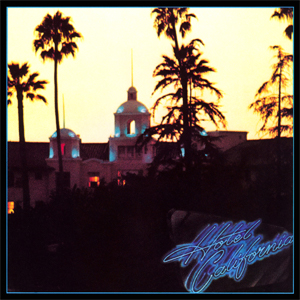
You know the songs. Whether it’s the opening guitar strum of “Hotel California” echoing through a retail store or the effortless cool of “Take It Easy” on the radio, the music of the Eagles is woven into the very fabric of popular culture. They are, for many, the definitive sound of 1970s California rock. But when you look at a playlist that pulls not just from the band’s iconic catalog but also from the solo careers of its members, a more complex and interesting story begins to unfold. It’s the story of a band, yes, but also of the powerful creative forces that defined it.
In their early days, the Eagles perfected a blend of country-inflected rock that felt both revolutionary and deeply familiar. With Bernie Leadon’s string-bending authenticity providing a crucial link to traditional country, songs like “Peaceful Easy Feeling” established a sound built on gentle acoustic guitars and those famously pristine vocal harmonies. Yet, the band’s ambition was clear from the start. On a single album like 1973’s Desperado, they demonstrated a remarkable range, offering both the sepia-toned storytelling of “Tequila Sunrise” and the sweeping, cinematic sadness of the title track. Their evolution continued with hits like “One of These Nights,” which pushed their sound forward with a taut, R&B-influenced groove, and the soaring ballad “Take It to the Limit,” a track defined by the unforgettable high-note heroics of bassist Randy Meisner.
The band’s musical expansion went into overdrive in the late 70s with key changes in personnel. First, the arrival of guitarist Joe Walsh injected a new energy, which you can hear clearly on his solo track “Rocky Mountain Way.” He brought a rawer, grittier guitar attitude that made a snarling, high-octane track like “Life in the Fast Lane” possible. But the band’s later sound wasn’t just about getting heavier; it also grew smoother. The addition of bassist Timothy B. Schmit, who brought another key flavor to the group, is perfectly captured in his soulful, impeccable lead vocal on “I Can’t Tell You Why.” It gave the Eagles one of their most enduring and elegant hits, proving they could master polished balladry as effectively as they could rock.
To fully appreciate the band’s dynamic, one also has to listen to what happened when its members went their separate ways in the 1980s. The solo material reveals the individual artistic identities that were often blended within the group. Don Henley, in particular, stepped out from behind the drum kit to become a formidable solo artist, showcasing a cynical and poetic voice on tracks like “The Boys of Summer” and “Dirty Laundry.” At the same time, Glenn Frey delivered pure 80s pop-rock adrenaline with “The Heat Is On,” a sound quite distinct from the band’s collective work. These solo ventures highlight the specific creative impulses each member brought to the table.
Ultimately, a playlist like this offers a richer understanding of the band’s legacy. It shows that the Eagles weren’t a monolith, but a convergence of remarkable talents. You had the foundational country-rock instincts, the powerhouse vocalists who could each take the lead, the gritty guitar hero, and the polished, often pointed, songwriting of Henley and Frey. Listening to the haunting live harmonies of “Seven Bridges Road,” you can hear all those individual voices coming together to create something powerful and lasting. It’s a sound that is much more than any single hit song—it’s the enduring result of a rare and potent combination of artists.
Follow Tunes Du Jour on Facebook
Follow me on Bluesky
Follow me on Instagram

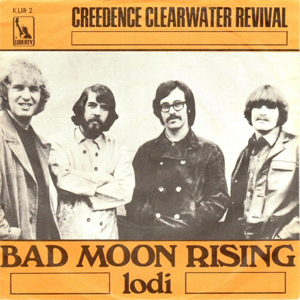
If you could travel back in time and turn on a car radio in 1963, what would you hear? It was a year poised on the brink of profound change, both culturally and musically. Listening to the pop charts from that year is like opening a time capsule of a specific American moment, one just before the British Invasion, led by The Beatles, would arrive on our shores in January 1964 and rearrange the entire landscape. Using a playlist of the year’s biggest hits, we can get a clear picture of the sounds that defined the last year of this particular pop era.
Two major sounds seemed to rule the airwaves, both born from a distinctly American, youthful energy. From the West Coast came the sun-drenched anthems of surf rock. The Beach Boys offered a national invitation with “Surfin’ U.S.A.,” while their friendly rivals Jan & Dean created the idyllic “Surf City.” This wasn’t just a vocal trend; the raw, driving energy of instrumental hits like The Surfaris’ “Wipe Out” and The Chantays’ “Pipeline” provided a visceral, drum-and-guitar-heavy soundtrack for a generation. Complementing this was the sound of the girl groups, often channeling teenage drama through the ambitious production of Phil Spector’s “Wall of Sound” on tracks like The Ronettes’ “Be My Baby” and The Crystals’ “Da Doo Ron Ron.” From the defiant fun of Lesley Gore’s “It’s My Party” to the tough-girl stance of The Angels’ “My Boyfriend’s Back,” these songs were miniature soap operas set to a 4/4 beat.
At the same time, a different kind of sound was solidifying its place at the heart of American music, broadcasting from Detroit and other soul music hubs. Motown was hitting its stride, producing hits that were both commercially successful and artistically sophisticated. You could feel the undeniable energy of Martha Reeves & The Vandellas on “(Love Is Like A) Heat Wave” or get lost in the smooth, clever plea of Smokey Robinson & the Miracles’ “You’ve Really Got a Hold on Me.” A teenage prodigy named Stevie Wonder even captured the explosive energy of his live performances on “Fingertips, Pts. 1 & 2.” It wasn’t just Motown, either. The soulful storytelling of groups like The Drifters on “Up on the Roof” and the raw, emotional performance of Garnet Mimms on “Cry Baby” showed the depth and variety within R&B and soul music.
Beyond these dominant movements, the Top 40 of 1963 was remarkably eclectic. The folk revival crashed onto the pop charts with Peter, Paul and Mary’s earnest version of Bob Dylan’s “Blowin’ In The Wind,” introducing a new layer of social consciousness to mainstream radio. Unclassifiable artists with singular visions also found massive success. Roy Orbison’s haunting, operatic ballad “In Dreams” and Johnny Cash’s iconic, mariachi-inflected “Ring of Fire” were worlds unto themselves. The charts even made room for the wonderfully unexpected: Kyu Sakamoto’s “Sukiyaki,” a beautiful Japanese-language ballad that became a number-one hit, and “Dominique” by The Singing Nun, also a number-one hit, proved that a great melody could transcend any language barrier. And in a class all its own was the wonderfully raw and raucous “Louie, Louie” by The Kingsmen, a garage-rock precursor that parents hated and kids loved.
Looking back, the collection of hits from 1963 represents a high point for a certain kind of American-made pop music. It was a world of surf guitars, dramatic girl-group harmonies, sophisticated soul, and a surprising number of unique one-offs. Every song on the radio, from Andy Williams’ smooth crooning to the gritty simplicity of “Louie, Louie,” was part of the same popular conversation. It was a vibrant and diverse scene, but one operating on its own terms. It had no idea that four young men from Liverpool were about to board a plane, bringing with them a sound that would change the rules for everyone.
Follow Tunes Du Jour on Facebook
Follow me on Bluesky
Follow me on Instagram
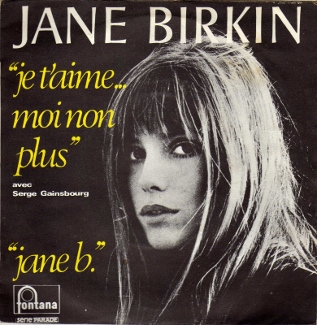
Happy Bastille Day!
On this date in 1789, the French people stormed the Bastille Prison in Paris to shout “No More Kings!” They probably shouted that in French. I can’t say for sure as I wasn’t there that day. Anyhoo, it worked! How’ bout that? This uprising ultimately led to the birth of democracy in France.
To celebrate, I compiled a Bastille Day playlist. I’ll be the first to tell you that there are far more accurate Bastille Day playlists out there. I’m using the holiday as an excuse to compile tracks from French artists, songs sung in French, songs with French titles, and one song by Chicago-born 60s song parodist Allan Sherman. I learned more from that three-minute record, baby, than I ever learned in school about the French Revolution.
Follow Tunes Du Jour on Facebook
Follow me on Bluesky
Follow me on Instagram
Call me old-fashioned, but I operate on a twelve-month calendar. That might be a controversial take, considering that outlets like Rolling Stone dropped their “Best of the Year So Far” lists back in June, apparently under the impression that 2025 is only ten months long. I thought I’d wait for half of the year to pass before I declare that half of the year has passed. For those of us who believe in a twelve-month cycle—not a ten-month one—here are 30 songs that have made my year in music great so far.
Follow Tunes Du Jour on Facebook
Follow me on Bluesky
Follow me on Instagram